
Why This Conflict is Different
History shows that Middle East tensions and global trade are deeply linked, but the current climate is pushing supply chains into uncharted territory. We’ve seen the disruption caused by the Gaza conflict, yet that pales in comparison to the logistical nightmare a U.S.-Iran escalation would trigger.
The bottleneck is simple: geography. With the world’s energy heartland and its primary maritime corridors overlapping in the Middle East, any regional friction creates a massive ripple effect. We’re talking about immediate hits to fuel markets and a sudden, sharp climb in international freight rates.
Australia is particularly exposed here. Because our economy is built on globally integrated trade and imported energy, we aren’t insulated from these shocks. When the Middle East heats up, Australian businesses see the bill in the form of port surcharges, fuel spikes, and shipping delays. Staying on top of these geopolitical shifts isn’t just for politicians anymore, it’s a survival tactic for anyone managing a modern supply chain.
The New Reality of Global Trade
Supply chain strategy is no longer just a math problem it’s becoming a geopolitical one. Our CEO, La Chang, pointed this out in a recent Back & Forth session: the friction between the US, Iran, and Israel has moved out of the newsroom and straight onto the warehouse floor. These aren’t just “policy issues” anymore; they are real-world hurdles for moving cargo.
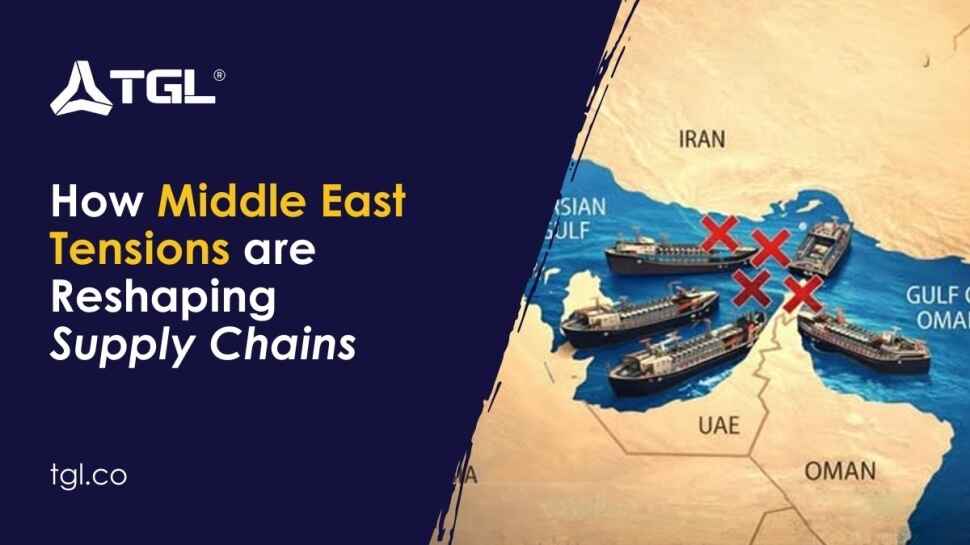
The biggest red flag right now is the Strait of Hormuz. It’s a tiny stretch of water with massive influence, handling a huge chunk of the planet’s oil. When things get shaky there, the ripples are felt everywhere. Even the hint of a shutdown forces carriers to rethink their entire routing map, which usually means longer transit and higher bills.
If you’re moving goods internationally, this isn’t theoretical it’s hitting your bottom line. We’re seeing unpredictable schedules, insurance premiums climbing, and fuel surcharges that won’t sit still. A decade ago, “geopolitical risk” was a footnote in a meeting; today, it’s a core part of your planning. At the end of the day, efficiency is great, but if your supply chain isn’t resilient enough to handle these shocks, cost control won’t save you.
Challenges Facing Australian Industries
Transport, Freight & Logistics (High Impact)
- Rising fuel costs
- Additional surcharges
- Route diversions & delays
Agriculture & Farming
- Increased fertiliser costs
- Higher export costs
- Rising costs for agricultural machinery
Mining & Resources
- More operational costs
- Greater exposure to market volatility
Aviation & Tourism
- Increased fuel hedging
- Potential toute closures
Retail & Consumer Goods
- Inflation on imported products
- Pressure on consumer spending

Major Disruptions Importers Should Monitor
Capacity Constraints: Predicting geopolitics is a guessing game, but we can definitely pinpoint the red flags that will hit your bottom line. First up: Capacity. When carriers start dodging high-risk zones, they’re forced into long detours. This doesn’t just waste time; it eats up the world’s ship supply. Suddenly, finding an empty container feels like winning the lottery, and freight rates go through the roof.
Energy Market Dependency: Then there’s the energy domino effect. Take China they get a massive chunk of their oil from Iran. If that tap gets turned off, energy prices across Asia spike instantly. Since almost everything on Aussie shelves starts in an Asian factory, those higher power bills over there eventually turn into higher price tags over here.
Regulatory and Compliance Changes: Finally, don’t overlook the red tape. When tensions rise, port authorities get nervous. They start demanding extra paperwork, more frequent inspections, and tighter compliance. It’s all in the name of security, but the result is the same for you: administrative headaches and cargo sitting at the docks longer than it should.
TGL’s Best Practices for Volatile Times
In our recent guide on moving heavy machinery, we hammered home the point that you can’t skip the pre-transport inspection. Today’s global climate requires that same level of “under-the-hood” checking for your entire supply chain. You wouldn’t ship a 50-ton excavator without a checklist don’t manage your global freight without one either.
- Freight Rate Reviews: You need to know exactly how “war-risk” clauses and fuel surcharges are triggered. Getting clear on these terms now means you won’t be blindsided by a massive bill later. It’s about protecting your margins before the market shifts.
- Supply Chain Visibility: Real-time visibility has also moved from a “nice-to-have” to a total necessity. If you aren’t using GPS tracking and digital platforms to watch your cargo, you’re flying blind. When a route gets blocked, having that data at your fingertips is the difference between pivoting quickly and leaving your customers in the dark.
- Operational Flexibility: Finally, stay nimble. If you’re locked into a single supplier or one specific shipping lane, you’re vulnerable. The most resilient businesses we work with at TGL are those that have a “Plan B” route ready to go before they actually need it.
Conclusion
At Think Global Logistics (TGL), we believe that staying informed is the first step toward safety. We prioritise reliability, integrity, innovation, and sustainability. We ensure consistent service through operational efficiency, uphold transparency and ethics in all interactions, leverage technology to enhance our team’s capabilities, and commit to minimizing environmental impact for a better future. Practically speaking, this means we prioritize efficiency without cutting corners on transparency, and we lean heavily into modern technology to drive smarter, faster decisions. Plus, we’re committed to making sure our long-term growth doesn’t come at the expense of the environment.
It doesn’t matter if we’re hauling a 50-ton excavator across the ocean or navigating a high-stakes air freight route through a conflict zone; our goal is always the same: keep your supply chain safe and moving, our focus remains on minimizing disruption and protecting our clients’ supply chains. In a market defined by risk and complexity, you need a partner who can pivot as fast as the world does. Your logistics strategy shouldn’t be static it should be as dynamic as the world we live in.
The world is changing; ensure your logistics provider is changing with it.
